In interior design and home renovation, the finishing touches make all the difference. Among these crucial elements are door architrave and skirting, which may seem minor at first glance but hold the power to elevate an entire room’s aesthetic. These components not only enhance visual appeal but also serve functional purposes that protect your walls and floors. Whether you’re building a new home or renovating an old one, understanding the importance of architrave and skirting will help you make smarter design choices.
Let’s explore the role, benefits, styles, and installation considerations of these unsung heroes of home interiors.
1. What Are Door Architrave and Skirting Boards?
Before diving into design styles and materials, it’s essential to understand what these elements are and why they matter.
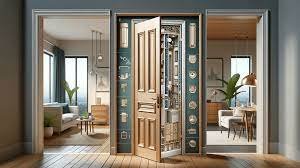
Architrave refers to the decorative moulding that frames doorways and windows. Traditionally, it hides the joint between the wall and the door frame, but it also creates a refined, polished transition from one surface to another. In modern homes, architraves are available in a wide variety of profiles, from minimalist square-edged styles to more elaborate period designs.
Skirting boards, on the other hand, are fixed to the base of interior walls, covering the joint between the floor and the wall. They protect the wall from knocks, scuffs, and furniture impacts, especially in high-traffic areas. Like architraves, skirting boards come in numerous styles and heights, serving both a practical and decorative function.
These elements work together to frame a room and create a seamless, cohesive look. Without them, spaces can appear incomplete or harsh at the edges.
2. The Functional Role Behind the Aesthetic
While architraves and skirting boards are often chosen for their decorative appeal, their practical function is equally important—and often overlooked.
For instance, skirting boards play a key role in protecting plastered walls from damage caused by vacuum cleaners, children’s toys, and general foot traffic. They also help hide uneven edges where the wall meets the floor, particularly in older homes where settling has occurred.
Similarly, door architraves help to mask construction imperfections, ensuring a tidy border where walls meet door frames. They also act as a buffer, preventing cracks and gaps from becoming visible due to seasonal expansion or contraction of building materials.
These mouldings contribute to the durability and longevity of your interiors, reducing the need for frequent repairs and touch-ups. In short, they are a design investment that pays off in both form and function.
3. Choosing the Right Style for Your Space
Selecting the right door architrave and skirting is about more than just matching shapes and colors. You need to consider the architectural style of your home, the scale of your rooms, and the overall aesthetic you’re aiming to achieve.
If your home leans toward modern minimalism, opt for slim, square-edged profiles with clean lines. These designs provide a crisp finish without drawing too much attention. On the other hand, traditional or period properties benefit from ornate profiles such as ogee, torus, or lamb’s tongue, which mirror the craftsmanship of historical mouldings.
You should also consider proportions. Taller ceilings generally call for higher skirting boards and wider architraves to maintain visual balance. In smaller rooms, thinner profiles can prevent the space from feeling cramped or top-heavy.
Color plays a part too. While white remains the most common choice for its versatility and brightness, painting your skirting and architraves in a contrasting or complementary color can add depth and drama to a room. Just ensure consistency throughout to keep the design cohesive.
4. Materials That Matter: MDF, Wood, and More
When it comes to materials, there’s a wide range of options available, each with its own pros and cons. Understanding these will help you choose a product that aligns with your budget, lifestyle, and maintenance expectations.
MDF (Medium-Density Fibreboard) is a popular choice for both architraves and skirting boards. It’s cost-effective, smooth, and resistant to warping—making it ideal for painted finishes. Many modern homes use pre-primed MDF mouldings for quick and easy installation.
For those who prefer a natural look, solid wood options such as oak, pine, or walnut are available. While these bring a rich, organic aesthetic, they can be more expensive and may be prone to warping in humid conditions if not properly sealed.
Other materials include PVC and hardwood composites, which are great for moisture-prone areas like bathrooms and kitchens. These materials offer durability and low maintenance but might lack the authenticity or detail of timber-based products.
For a wide selection of styles and materials—including custom and pre-finished options—you can explore high-quality options for door architrave and skirting, where craftsmanship meets convenience.
5. Installation Tips and Maintenance Insights
Once you’ve selected the right profiles and materials, proper installation becomes the next crucial step. While many homeowners hire professionals, installing skirting and architraves is a manageable DIY project with the right tools and patience.
Always begin by measuring carefully and marking your cut lines. Use a mitre saw for clean, precise angles—especially around corners. Make sure to check for wall irregularities, as these may require scribing or planing to ensure a snug fit. Adhesives or nails can be used for fixing, depending on the surface and personal preference.
After installation, fill any gaps or nail holes with caulk or wood filler, and finish with paint or stain for a polished look. If you’ve chosen pre-primed MDF, a light sanding before the final coat will ensure a smooth, professional-grade finish.
When it comes to maintenance, both architraves and skirting boards require occasional cleaning to prevent dust build-up. For painted surfaces, a damp cloth usually does the trick. Avoid abrasive cleaners that can damage the finish.
Touch-ups may be needed over time, especially in high-traffic zones. Keeping a small amount of matching paint on hand makes minor fixes easy and helps maintain the fresh, clean look of your mouldings.
Conclusion: Small Details, Big Impact
It’s easy to underestimate the significance of door architrave and skirting, but these small details often have a big impact. They create visual cohesion, protect your walls and floors, and enhance the overall style of your home. Whether you prefer classic or contemporary designs, the right choice in materials and profiles can tie together your entire interior theme.
By understanding their purpose, exploring your design options, and ensuring quality installation, you can transform your home’s aesthetic with these simple yet essential elements. So next time you’re planning a renovation or redesign, give these architectural details the attention they truly deserve.