Introduction
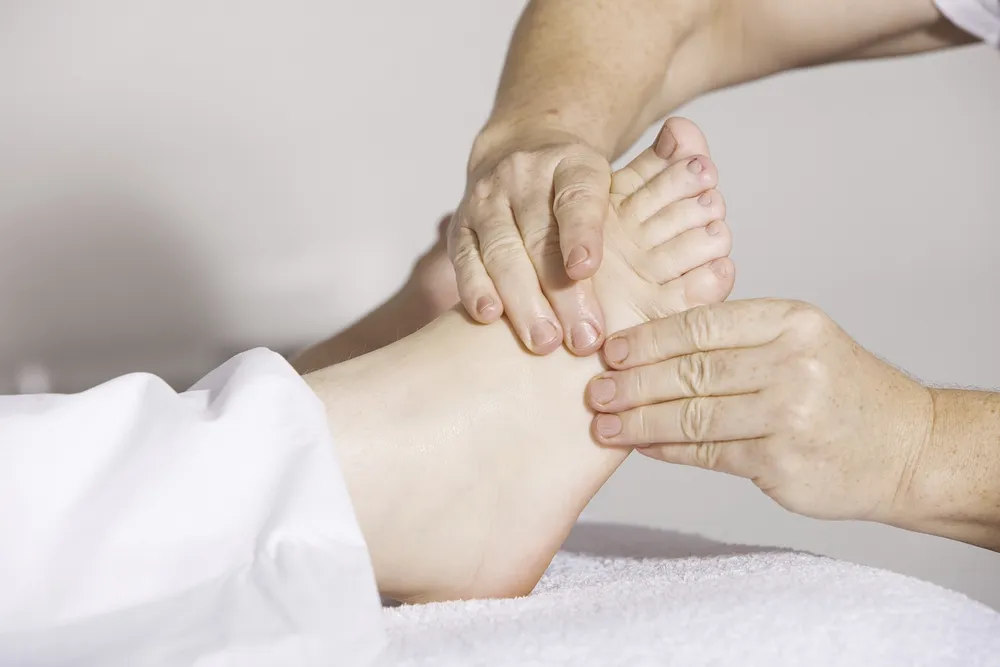
Over the past decade, Korean massage therapy has evolved from a traditional practice into a mainstream wellness solution embraced by people of all ages. Once viewed mainly as a luxury or recovery treatment, it is now considered an essential part of a healthy lifestyle. The rising demand reflects changes in work culture, health awareness, technology, and demographic trends across the country.visit for more details 마사지
A Shift Toward Wellness and Self-Care
Modern life in South Korea is fast-paced and highly competitive. Long working hours, extended screen time, and high stress levels have encouraged people to seek effective ways to relax and recover. Korean massage therapy fits perfectly into this shift, offering both physical relief and mental relaxation. Many individuals now schedule regular massage sessions as part of their self-care routines, similar to exercise or skincare.
Influence of Traditional Healing Practices
Korean massage therapy draws heavily from traditional bodywork techniques that focus on balance, circulation, and energy flow. These methods emphasize not just muscle relaxation, but overall harmony between body and mind. As interest in holistic and natural health solutions grows, more people are turning to these traditional approaches as an alternative or complement to modern medical treatments.
Convenience Through Modern Lifestyles
Another major reason behind the growing demand is convenience. Massage services are no longer limited to specialized clinics or spas. On-demand and visiting massage options allow people to receive therapy at home, in hotels, or even at offices. This flexibility is especially attractive to professionals, travelers, and individuals who value privacy and time efficiency.
Digital Transformation of the Massage Industry
Technology has played a key role in expanding access to massage therapy. Online booking systems, mobile platforms, and digital reviews make it easier for clients to choose therapists, compare services, and schedule sessions instantly. Younger generations, in particular, are more likely to explore massage services thanks to this seamless digital experience.
Corporate Wellness and Workplace Benefits
Many companies are beginning to recognize the connection between employee well-being and productivity. Massage therapy is increasingly included in corporate wellness programs to help reduce stress, prevent burnout, and improve overall morale. This has introduced massage therapy to a wider audience and normalized it as a professional health benefit rather than a personal indulgence.
Growing Demand Among an Aging Population
As the population ages, the demand for therapeutic and rehabilitative massage continues to rise. Older adults often seek massage therapy to manage joint pain, stiffness, circulation issues, and mobility concerns. This demographic shift has expanded the market beyond relaxation-focused services to include more health-oriented and therapeutic treatments.
Cultural Acceptance and Lifestyle Trends
Massage therapy has become culturally accepted across different age groups and social backgrounds. Wellness is now associated with a balanced, successful lifestyle, and massage is seen as a practical way to maintain that balance. This cultural acceptance has helped remove stigma and encouraged people to openly invest in their physical and mental well-being.
Conclusion
The rising demand for Korean massage therapy in South Korea is the result of multiple interconnected factors: increased stress levels, greater health awareness, respect for traditional healing, digital convenience, corporate support, and demographic changes. What was once an occasional luxury has transformed into a regular wellness practice. As these trends continue, Korean massage therapy is likely to remain a vital part of the country’s evolving health and lifestyle culture.